
After 15 years of research, scientists at Cancer Center Amsterdam have developed a new cancer vaccine for dogs — one which they believe may potentially pave the way for similar human therapies, too.
The vaccine targets a tumor protein called vimentin, creating an immune response in dogs with bladder cancer that both fought cancer growth and helped mitigate tumors’ ability to evade the immune system.
Its creators believe success in dogs may help pave the way for a similar cancer therapy in humans.
“The development of this vaccine for the treatment of cancer in humans is promising,” said cancer researcher Arjan Griffioen, whose team developed the vaccine.
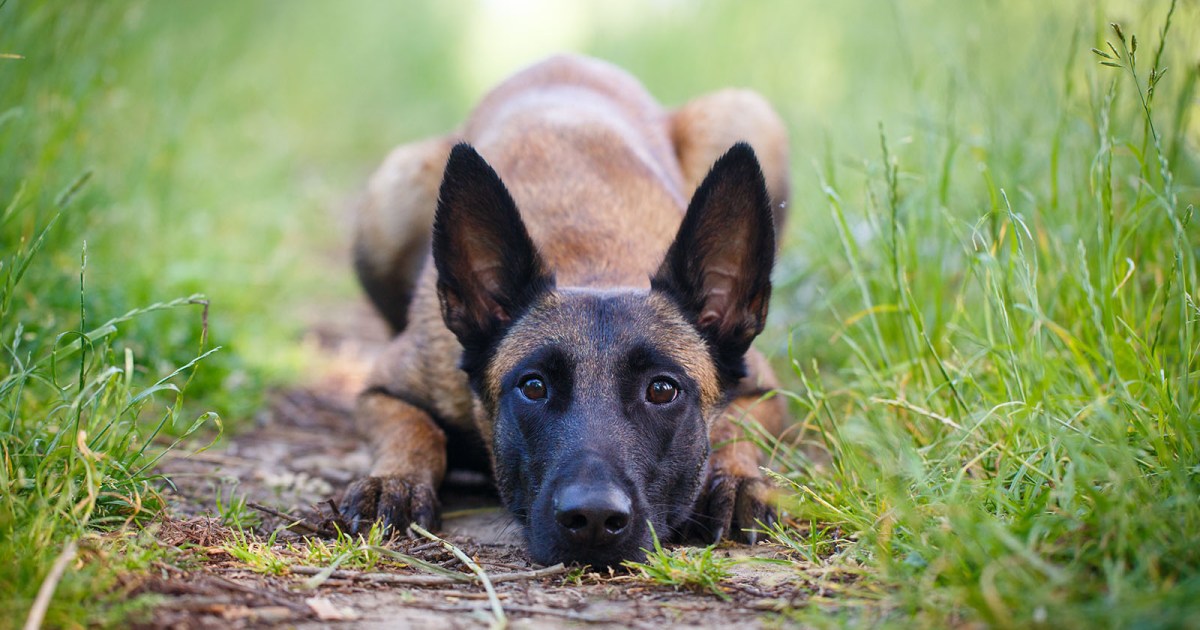
Scientists at Cancer Center Amsterdam have developed a new cancer vaccine for dogs.
Immunotherapy: Using the body’s own immune system to fight cancer — immunotherapy — has shown success against formerly intractable forms of the disease, like lung cancer.
Immunotherapy techniques include administering monoclonal antibodies, arming T cells (and, possibly in the near future, natural killer cells) to attack cancer, and cancer vaccines — a new generation of which are coming down the pipeline.
While the immune system is a formidable army indeed, tumors are a particularly hardened target; think of them as well-armed and defended forts.
Tumor cells deploy a number of measures to block, defang, or become invisible to our immune system, including genetic changes that allow them to hide, proteins that turn immune cells off, launching decoys for T cells to attack, and drafting the healthy cells around them to help confuse the immune system.
The vaccine targets a tumor protein called vimentin, creating an immune response in dogs with bladder cancer that both fought cancer growth and helped mitigate tumors’ ability to evade the immune system.
All of this combined is called the tumor’s microenvironment — essentially, the zone inside the body it is influencing or has taken over.
“The tumor microenvironment (TME) is highly immunosuppressive,” the researchers wrote in their study, published in Nature Communications.
But tumors can’t wall themselves off entirely — they need supplies from the body. Like supply lines feeding an entrenched enemy, the tumor’s twisted blood vessels deliver blood to keep it growing.
Targeting vimentin: Griffioen and colleagues discovered that the protein vimentin was extra-present in tumor blood vessels, including in cells called endothelial cells that line blood vessels and manage the flow of blood to other tissues.
“We found that this protein [vimentin] promotes the formation of new blood vessels in a tumor,” Griffioen said, not only promoting tumor growth but also helping its microenvironment suppress the immune system.
Since the vimentin is only expressed in tumor blood cells, that made it an attractive target for vaccines.
“The development of this vaccine for the treatment of cancer in humans is promising.”
Arjan Griffioen
To test their vaccine, the researchers immunized dogs that had a highly aggressive form of bladder cancer. Ten dogs received three to four vaccinations during a two week period; all of the dogs developed vimentin-glomming antibodies and had a response to the therapy, with the cancers stabilizing in 7/10 dogs and partial remission occurring in 3/10.
The ongoing pilot “demonstrated the efficacy and safety of the application of vaccination against vimentin in a clinical setting in large mammals, and will guide the development of clinical application in human patients,” the researchers wrote.
We’d love to hear from you! If you have a comment about this article or if you have a tip for a future Freethink story, please email us at tips@freethink.com.
A dog cancer vaccine may save them and, one day, us
Source: Ordinary Extra PH


No comments:
Post a Comment